About Middle School Fundraising
Middle school fundraisers are school-led activities designed to raise money while engaging students, families, and the local community in purposeful projects that also build skills and school pride. This guide explains why middle school fundraising matters, how to match events to goals, and which formats reliably deliver strong results with manageable effort. Many middle school organizers juggle limited volunteer time, safety concerns, and diverse student interests; this article offers practical, actionable plans and decision tools to resolve those constraints.
Quick Facts
- A-thons can target $3,000+ with 200 participants
- Product sales deliver predictable margins with pre-orders
- Pledge-based events typically deliver best ROI
What Are the Most Successful Fundraisers for Middle School Students?
Most successful middle school fundraisers convert broad participation or high-margin products into repeatable revenue streams with low per-unit overhead. Events based on pledges or sponsorships—like a-thons—scale because each participant multiplies revenue, while product sales such as cookie dough programs deliver predictable margins when paired with effective pre-orders.
A-thon Events
Read-a-thons and walk-a-thons scale revenue through pledges and sponsor matching.
Product Sales
Cookie dough and catalog sales deliver predictable margins with pre-orders.
Silent Auctions
High-ticket sponsorships with low incremental costs for maximum yield.
Event Nights
Movie and game nights combine admission with high-margin concessions.
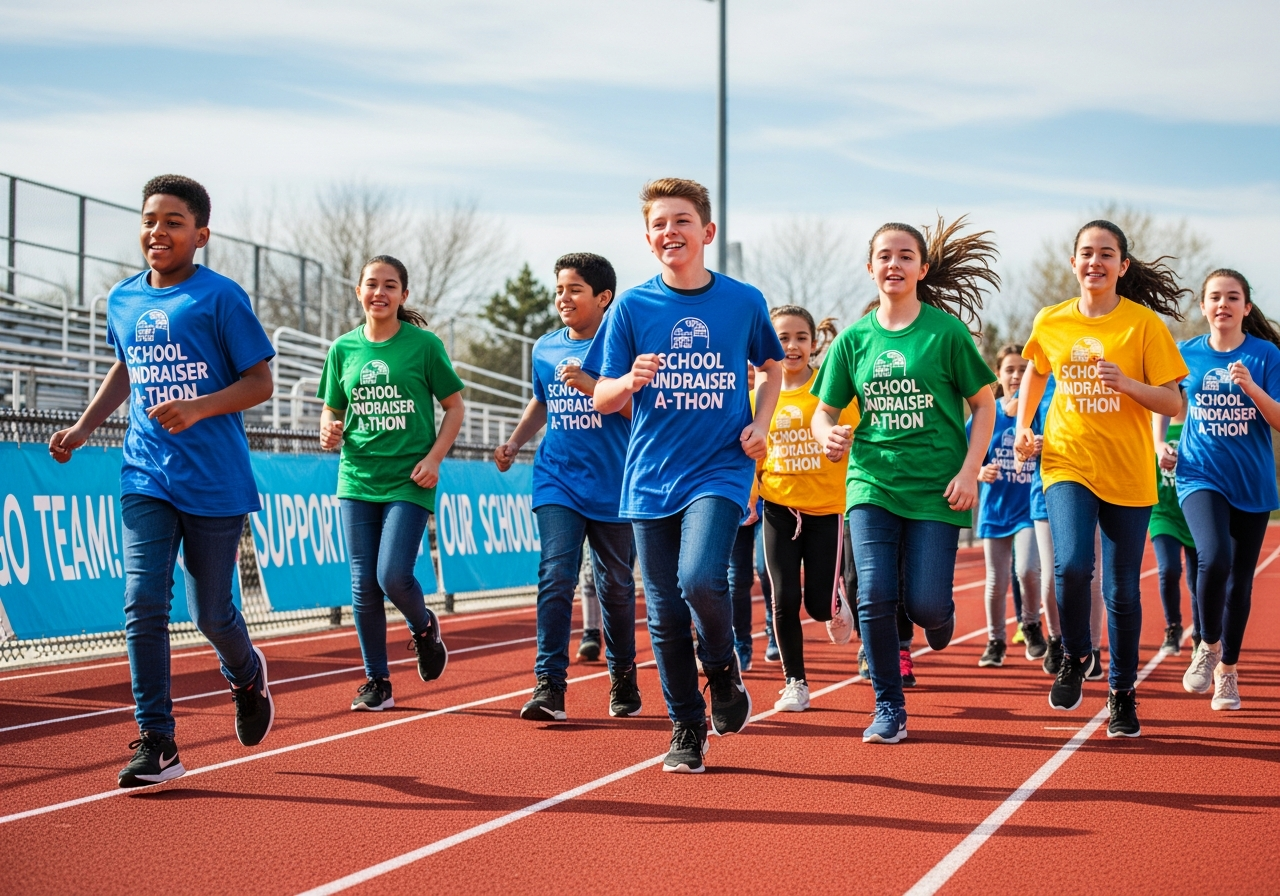
Fundraiser Revenue Comparison
Evaluating revenue means comparing estimated fundraising potential, required effort, and fixed overhead so schools prioritize formats that align with volunteer capacity and risk tolerance.
Revenue Comparison
| Fundraiser Idea | Estimated Effort / Cost | Estimated Revenue Potential |
|---|---|---|
Read-a-thon / Walk-a-thon (pledge) | Moderate planning, digital pledge platform fees | High — scalable by participants and sponsors |
Product Sales (cookie dough, catalog) | Low to moderate; vendor coordination for fulfillment | Moderate–High — strong margins per sale |
Silent Auction | Moderate to high: item procurement and cataloging | High per-item revenue depending on donors |
School Carnival / Fun Run | Higher logistics and permit costs; volunteer-heavy | Moderate — multiple revenue streams |
Movie Night + Concessions | Low planning, equipment/venue and licensing needs | Low–Moderate — easy margins on concessions |
This comparison highlights that pledge-based a-thons and well-managed product sales typically deliver the best return on volunteer time.
Which "A-thon" Events Generate the Highest Funds?
An "a-thon" raises money through pledges tied to student activity — reading minutes, laps, or time dancing — and scales with participant count and average pledge size. The core mechanism is peer and family solicitation combined with corporate sponsorships; doubling average pledge per participant or increasing sponsor levels multiplies revenue quickly.
Set Goals
Clear targets & pledge platform
Class Captains
Recruit student leaders
Gamification
Milestones & prizes
Celebrate
Recognize top fundraisers

How Do Product Sales Like Bake Sales and Cookie Dough Fundraisers Maximize Funds Raised?
Product sales earn revenue through per-unit margins and volume; selecting high-demand items and low-cost suppliers increases net funds raised while pre-orders reduce waste. Vendor programs for cookie dough, gourmet foods, or catalogs often provide tiered revenue splits, so schools should compare margin percentages and fulfillment responsibilities before committing.
Maximize Product Sales
- Control ingredient costs for DIY bake sales
- Standardize portion sizes for consistency
- Use pre-sale ordering to cut unsold inventory
- Bundle items into value packs
Timing & Events
- Pair with calendar events—holiday markets
- Sports nights maximize foot traffic
- Offer incentives for bulk purchases
- Simplify distribution logistics
What Are Some Easy and Fun Fundraising Ideas for Middle School?
Easy fundraisers for middle school balance low volunteer effort with high student engagement, making them ideal for schools with limited planning bandwidth. Simple revenue-generating events include movie nights, game nights, spirit days, and small product pre-orders that require minimal on-site staffing.
Movie Night
Host a ticketed evening with concessions and simple projection; keep licensing and sound needs in mind.
Spirit Day
Charge small participation fees and sell themed merchandise for easy revenue.
Game Night
Sell admission and snack bundles to attract families for an inexpensive community evening.
How Can Movie Nights and Game Nights Boost School Fundraising?
Movie and game nights monetize family-friendly entertainment with layered revenue from admission, concessions, and optional VIP experiences like reserved seating or snack bundles. The mechanism works by combining a low ticket price to drive volume with high-margin concession sales; popcorn and drinks typically yield strong per-item returns.
How Can Middle Schools Organize Community-Based and Service Fundraisers?
Community-based fundraisers combine service learning with fundraising, aligning school values with visible local impact while raising money through donations, sponsorships, or recycling rebates. These initiatives work because they engage local stakeholders, attract in-kind support, and create teachable moments for students about civic responsibility.
Car Washes
High community visibility and straightforward per-car donations with minimal materials.
Yard Sales / Flea Markets
Leverage donated goods for low-cost revenue and community foot traffic.
Recycling Drives
Combine sustainability education with partner rebates or sponsor donations.
How Can Online and Hybrid Fundraisers Engage Middle School Students?
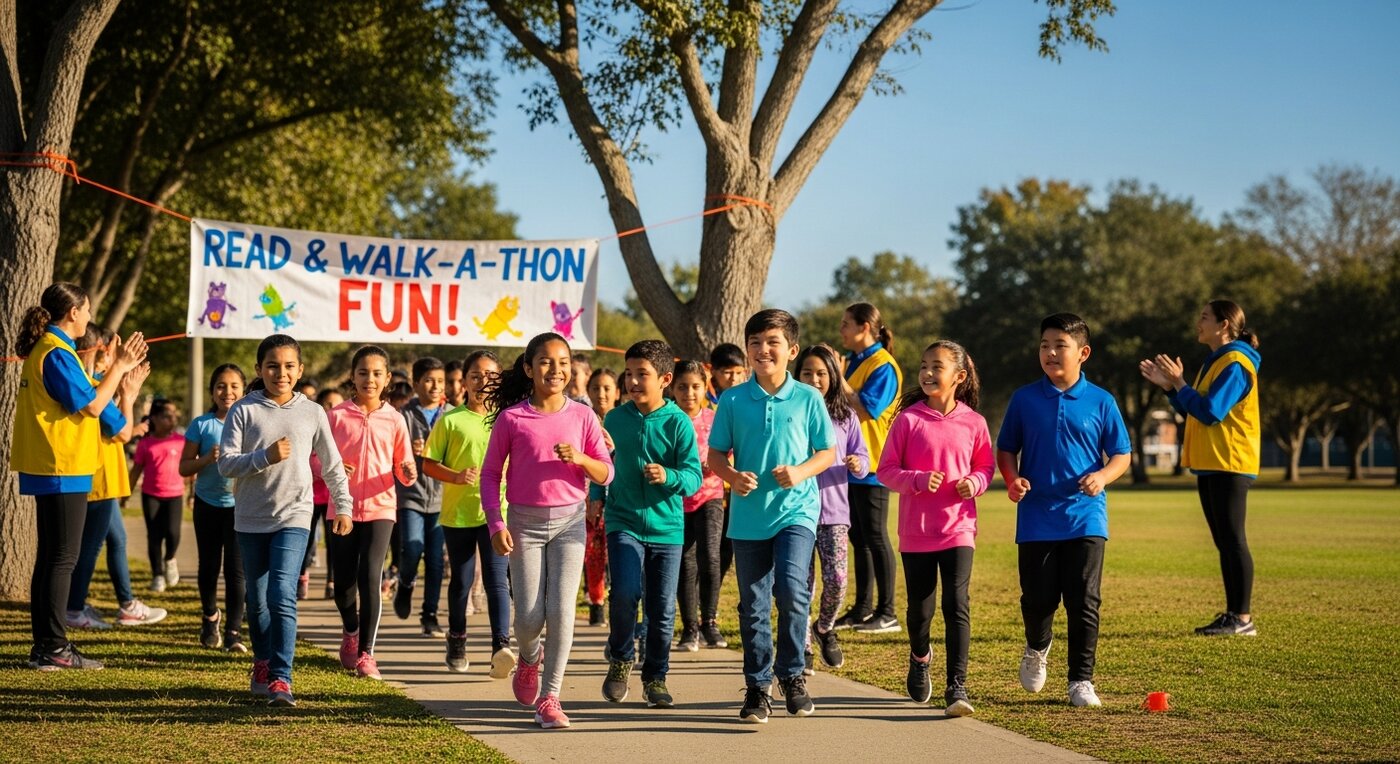
Online and hybrid fundraisers use digital platforms to collect pledges, sell products, and enable peer-to-peer campaigns that extend donor reach beyond local networks. These formats work by leveraging social sharing, mobile-friendly donation flows, and gamified progress tracking to motivate students and supporters.
Set Clear Goals
Focus messaging and platform features on measurable targets
Parental Controls
Choose platforms with peer-to-peer and age-appropriate controls
Social Sharing
Use progress milestones to gamify and amplify reach
What Are the Steps to Organize a Successful Read-a-Thon Using Online Platforms?
A successful online read-a-thon starts with a clear fundraising goal, a chosen platform for pledge collection and progress tracking, and a simple registration process for participants and parents. Effective timelines include two weeks for registration, two weeks for reading and pledge collection, and a celebration day with incentives.
How to Choose the Best Fundraiser for a Middle School
Choosing the right fundraiser requires aligning goals, volunteer capacity, timeline, safety needs, and student interest to the fundraiser format. The decision process works by scoring candidate events on key factors and selecting the highest-scoring options that meet constraints.
Decision Matrix
| Factor | Consideration Questions | Impact on Choice |
|---|---|---|
| Fundraising Goal | Is the priority revenue, engagement, or education? | High: revenue goals favor a-thons and auctions |
| Volunteer Capacity | How many hours and skilled volunteers are available? | Medium: low-volunteer events favor product sales |
| Timeline | How much lead time exists before the event? | High: short timelines favor movie nights or pre-orders |
| Safety & Permits | Are permits, traffic control, or food handling required? | Critical: raises effort and potential cost |
Using these criteria makes selection measurable and transparent for PTA/PTO discussions. A fundraiser decision matrix assigns weights to criteria—such as fundraising potential (40%), volunteer effort (25%), timeline fit (20%), and safety complexity (15%).
How Can Schools Maximize Fundraising Success Through Marketing and Volunteer Management?
Maximizing fundraising success requires a coordinated marketing mix, clear volunteer roles, and post-event stewardship to retain donors and volunteers for future campaigns. Effective marketing reaches parents, students, and local supporters through email, social media, flyers, and local press.
Marketing Channels
| Marketing Channel | Typical Reach / Cost | Best Use Case |
|---|---|---|
| School Email / Newsletter | High reach; low cost | Detailed updates and ticket links to parents |
| Social Media (school accounts) | Moderate reach; low cost | Visual campaign updates and sharing progress |
| Printed Flyers / Posters | Local reach; low cost | Local community promotion and on-campus visibility |
| Local Press / Community Calendars | Variable reach; low to moderate cost | Boost visibility for larger public events |
How to Manage Volunteers to Ensure Smooth Fundraising Events
Volunteer management starts with clear role descriptions, shift schedules, and a brief training session to set expectations and handle contingencies.