Running a successful baseball fundraiser means pairing realistic, community-friendly ideas with a clear plan and measurable goals. This guide covers proven fundraiser types, easy planning steps, platforms, digital options, and event ideas built for youth and school teams. It includes curated fundraiser types, planning checklists and operational tips organized by team size and community profile.
What Are the Best Baseball Fundraising Ideas for Youth and School Teams?
Baseball fundraisers are organized efforts to raise money for teams. The most successful ones balance volunteer time, revenue margin, and how well the idea fits the community. Proven approaches include team merchandise, pre-sold product fundraisers, sponsorship packages, and community events. Each option yields different revenue and requires different promotion and volunteer effort, so choose a mix that fits the roster and timeline.
Baseball team merchandise fundraising
Builds team spirit and delivers steady funds raised per item.
Sponsorship packages
Creates predictable revenue and strengthens local business ties.
Product sales (pre-orders)
Low inventory risk and guaranteed upfront revenue.
Community events (car wash)
Boost awareness and bring immediate donations.
Pancake breakfast fundraiser
Family-friendly event with high community engagement.
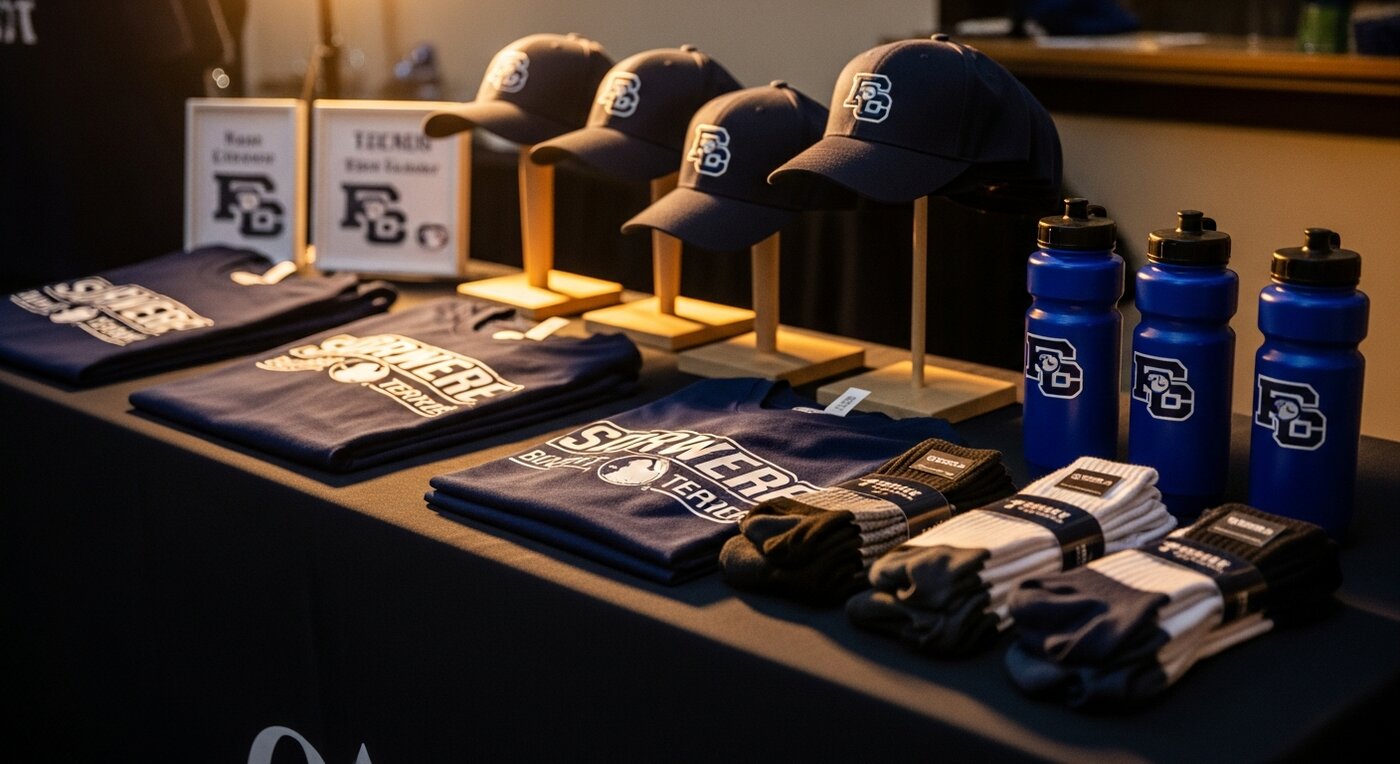
Merch fundraisers work best with items that have strong perceived value and low unit cost: custom t-shirts, hats, socks, and water bottles. Run pre-order campaigns to avoid inventory risk and bundle popular combos to raise average order value.
Which Merchandise Sales Are Most Successful for Baseball Fundraisers?
Merch fundraisers work best with items that have strong perceived value and low unit cost: custom t-shirts, hats, socks, and water bottles. These combine team branding with everyday use and tend to sell consistently. Run pre-order campaigns to avoid inventory risk and size orders correctly.
Bundle popular combos (shirt + hat) to raise average order value and simplify fulfillment. Pick suppliers with reliable turnaround times and low minimums to keep upfront costs down. Apparel often delivers 40-60% margins when ordered in volume.
What Are the Key Steps to Promote and Execute Fundraising Events?
Promoting and running fundraising events requires coordinated messaging and tight logistics to drive attendance, boost sales, and make donating easy. Start promotion early: email families, post player spotlights on social, and leave flyers at games and neighborhood businesses.
Be specific about the team's needs and how donations are used. On game day, assign volunteers to roles like cashier, merchandise lead, and sponsor liaison, and follow a run sheet that sequences setup, event flow, and teardown.
Fundraising Method Comparison
| Fundraiser Type | Effort Level | Typical Revenue Range |
|---|---|---|
| Merchandise sales | Low-Medium (distribution, promotion) | $8-$30 funds raised per item |
| Sponsorship packages | Medium (outreach, fulfillment) | $250-$2,500 per sponsor |
| Product pre-sales | Low (collection, delivery) | $5-$20 funds raised per order |
| Community events | Medium-High (setup, operations) | $500-$5,000 total event |
This snapshot helps teams choose a mix of quick and sustained income streams based on capacity and audience.
How to Plan and Organize a Successful Baseball Fundraiser
A straightforward planning framework clarifies goals, budgets, timelines, and roles — and that clarity turns community goodwill into real net proceeds. Start with a SMART fundraising goal (specific, measurable, achievable, relevant, time-bound).
Set the fundraising goal and list all costs and expected revenue to confirm a realistic net target.
Build a timeline with promotion milestones, volunteer duties, and supplier or permit deadlines.
Create a promotion calendar for email, social posts, flyers, and local press.
Set volunteer schedules and a day-of run sheet for setup, operations, and teardown.
Confirm permits, food-safety plans, and insurance needed for public events.
Sample Budget Template
| Budget Line | Est. Cost | Notes |
|---|---|---|
| Merchandise Production | $200-$800 | Use pre-orders to avoid excess inventory; consider print-on-demand |
| Event Supplies | $100-$400 | Tables, signage, payment processing equipment |
| Marketing & Promotion | $50-$200 | Flyers, social media ads, email marketing tools |
| Permits & Insurance | $50-$300 | Required for public events; check local requirements |
| Food & Concessions | $100-$500 | Seek donations from local businesses to reduce costs |
Track all income and expenses. Review results after each event to spot gaps and refine future plans to maximize net proceeds.
Who Should Be Involved in Organizing Baseball Fundraisers?
A small, focused organizing team keeps responsibilities clear and work moving. Typical roles include an organizer/lead, treasurer, promotions lead, sponsorship coordinator, and volunteer manager. The organizer owns the timeline, the treasurer tracks income and expenses, and the promotions lead handles messaging across email and social.
One person should be the sponsor point of contact to ensure consistent outreach and timely fulfillment, while the volunteer manager handles shifts and day-of coordination. Clear role definitions prevent overlap and ensure accountability.
Volunteers run nearly every part of a fundraiser — planning, promotion, setup, and teardown. They're also ambassadors who spread the word. Assign clear roles, give short training, and keep communication open. Publicly recognizing volunteers helps retain them for future events.
How Do Sponsorship Levels and Benefits Work for Baseball Teams?
Sponsorship levels standardize offerings so prospects quickly understand what they'll receive and organizers can deliver consistently. Common perks include logo placement, event signage, program listings, and social features.
Standard packages reduce negotiation time and protect margins by avoiding ad-hoc discounts. Creative extras — "sponsor of the inning" shout-outs or jersey patches — raise perceived value.
Track fulfillment with a simple checklist: asset deadlines, banner placement, social posts, and thank-you recognition. Clear reporting encourages repeat commitments and builds long-term partnerships.
Sponsorship Tier Examples
Logo on team uniforms and primary event banner, sponsor of the inning shout-outs
Logo on event materials and social media features, program listing
Listing in the program and on the sponsor board
Clear tiers make it easy for local businesses to pick an appropriate level. Track fulfillment to ensure sponsors receive promised benefits.
What Digital Fundraising Strategies Boost Baseball Team Donations?
Digital fundraising expands reach and simplifies donations. Top options include online product fundraisers, peer-to-peer campaigns, and an online merchandise storefront. When using digital tools, watch platform fees, be transparent about payment processing, and post regular progress updates to create urgency and social proof.
Social media widens reach by turning supporters into campaign ambassadors. Use shareable posts, progress updates, and player spotlights to humanize the ask and show impact. Create a posting schedule that includes launch posts, weekly updates, countdowns to events, and highlight reels from practices or games.
Ask parents and players to share posts to reach more people. Track simple metrics — shares, link clicks, and donations — to refine messaging and boost posts that gain traction.
Frequently Asked Questions
What are the most effective ways to promote a baseball fundraiser?
Start with a simple marketing plan that includes social posts, emails, and local press. Use strong visuals and clear calls to action that tell people exactly how to help. Partner with local businesses for cross-promotion and post regular countdowns and progress updates to create urgency. Short, relatable stories about the team's needs help people connect and share the campaign.
How can teams ensure a successful turnout for fundraising events?
Pick a date that avoids local conflicts and promote early across channels: social, email, flyers, and community boards. Ask families to invite friends and neighbors, and add incentives like raffles or small prizes. Offering food or entertainment makes the event more appealing for families and increases time spent supporting the cause.
What role do volunteers play in the success of fundraising efforts?
Volunteers run nearly every part of a fundraiser — planning, promotion, setup, and teardown. They're also ambassadors who spread the word. Assign clear roles, give short training, and keep communication open. Publicly recognizing volunteers helps retain them for future events.
How can teams effectively manage their fundraising budget?
Set clear financial goals and track all income and expenses. Estimate costs for each activity — materials, venue, and promotion — and use a spreadsheet or simple budgeting tool to monitor spending. Review results after each event to spot gaps and refine future plans to maximize net proceeds.
What are some tips for creating engaging fundraising merchandise?
Choose items the community will wear or use: quality t-shirts, hats, and water bottles sell well. Offer bundles to increase average order value, and use pre-orders to avoid excess inventory. Promote merchandise at games and online, and explain how purchases support the team to boost sales.
How can teams utilize feedback to improve future fundraising efforts?
After each event, run a post-event review with volunteers and sponsors to capture lessons, update procedures, and tighten timelines for the next fundraiser. Track what worked and what didn't to continuously improve results.
Conclusion
Combine clear planning, sponsorships, events, and digital campaigns for steady, repeatable fundraising success. Set SMART financial goals and break them down per player or event so expectations are clear. Share progress updates so families and supporters see milestones as they're reached, and keep careful records of income and expenses for future planning.