Cross country team fundraising covers organized efforts—both events and product sales—aimed at covering essentials like uniforms, travel, equipment, and coaching costs. The most effective campaigns connect a clear team need with community interest and donor motivations, turning registrations, sponsorships, and product purchases into dependable income.
What Are the Best Fundraising Ideas for Cross Country Teams?
The best fundraisers for cross country teams fall into three clear categories: event-based activities, product sales, and online campaigns. The right choice depends on team size, volunteer bandwidth, and the program's goals.
Organizing a 5K Fun Run Event
A community race brings registration revenue, sponsorships, and on-site sales while raising the program's profile.
Selling Team Apparel and Spirit Wear
Pre-orders cut inventory risk and deliver reliable per-item margins when pricing is transparent.
Hosting Car Wash Fundraisers
Low-cost, easy-to-run events that need minimal permits and scale with volunteer shifts.
Running Pancake Breakfasts and Snack Booths
Food-focused events perform well with family crowds and school-day traffic.
Online Fundraising Campaigns
Extends reach and makes recurring gifts easier with storytelling and peer-to-peer sharing.
These options balance quick wins with longer-term income; choose based on the team's size and volunteer availability.
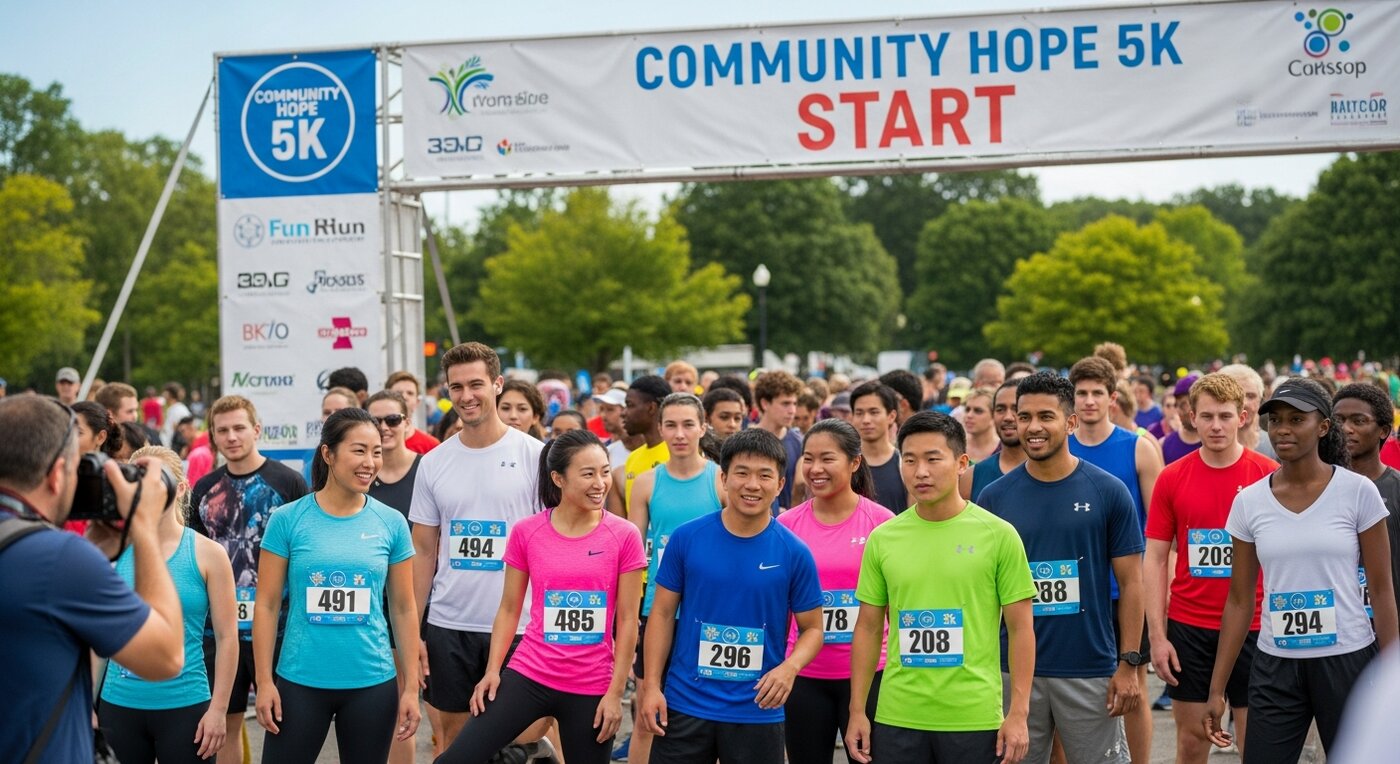
How Do 5K Fun Runs Help Raise Funds and Engage the Community?
A 5K fun run brings in money mainly through registration fees, business sponsorships, and on-site sales like concessions and merchandise. Events also create community buy-in—local shops, families, and alumni attend, sponsor, or volunteer.
Typical planning runs 6-12 weeks to secure permits, recruit volunteers, confirm course safety, and promote the race. A modest example: 150 runners at $25 each plus three local sponsors at $500 can generate significant funds.
Registration fees provide base revenue with predictable per-runner income.
Business sponsorships offer high-value contributions with visibility benefits.
On-site sales add incremental revenue through concessions and merchandise.
What Are Popular Product-Based Fundraisers Like Team Apparel Sales?
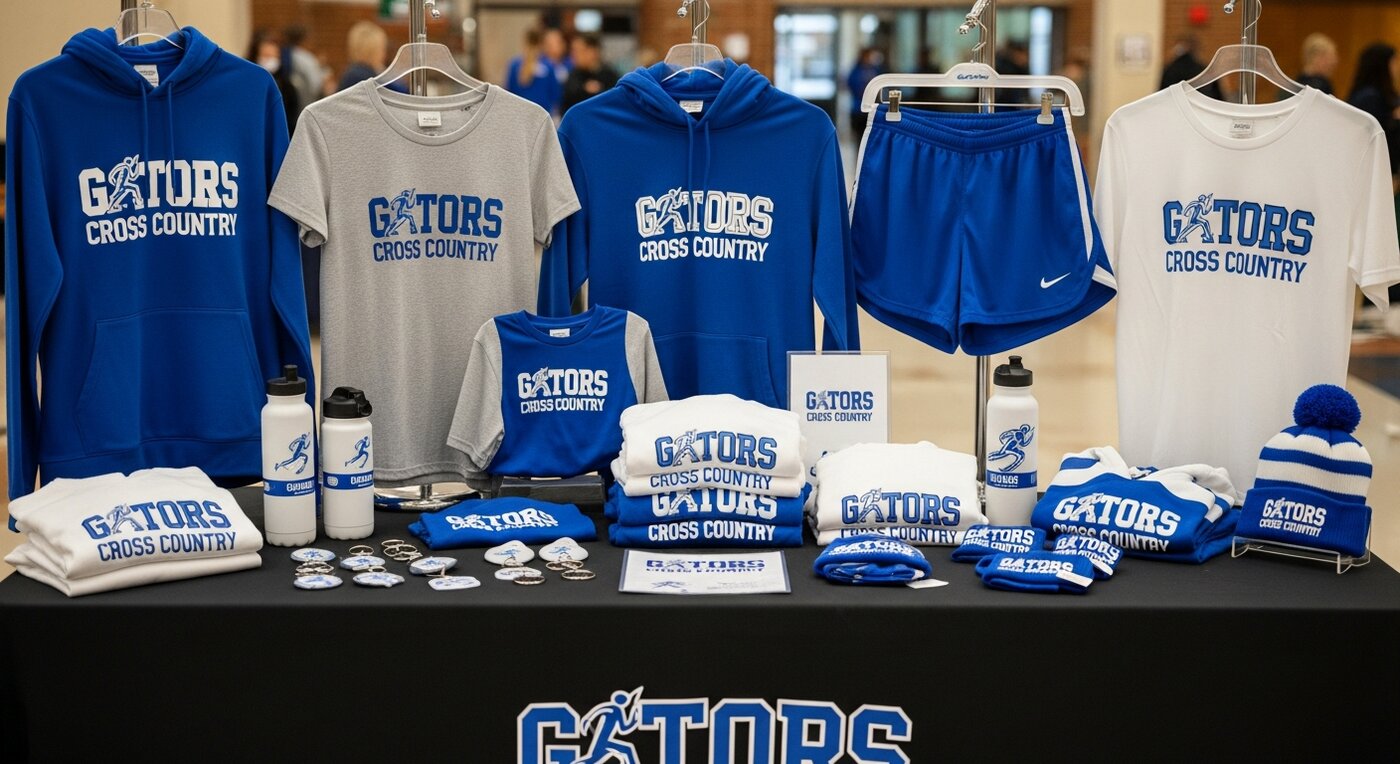
Product fundraisers—team apparel and local discount cards—turn supporter pride into revenue through transparent margins and simple ordering. Use pre-order windows to avoid holding inventory.
Set design and size options for two to three weeks and only order what supporters commit to buy. Margins usually fall between 30%-50% depending on supplier rates and order volume.
Pick high-contrast logos and limit size options to simplify fulfillment.
Promise a clear delivery date and communicate pickup logistics.
Bundle popular items with low-cost add-ons to boost average order value.
Fundraiser Type Comparison
| Fundraiser Type | Volunteer Effort | Fundraising Potential | Best For |
|---|---|---|---|
| 5K Fun Run | High (planning, permits, race-day) | High funds raised (registrations + sponsors) | Medium-to-large teams seeking community exposure |
| Team Apparel Sales | Medium (design, order management) | Medium-High funds raised (pre-order margins) | Teams needing ongoing visibility |
| Car Wash | Low-Medium (one-day setup) | Low-Medium funds raised (volume-dependent) | Small teams or short-term cash needs |
| Pancake Breakfast | Medium (food permits, volunteers) | Medium funds raised (family-friendly revenue) | Schools with strong parent involvement |
Event-based fundraisers often deliver the biggest returns but need more coordination, while product and online campaigns scale to available volunteer capacity.
How to Plan and Execute a Successful Fundraiser
Successful planning starts with clear goals, a budget, a timeline, named volunteer roles, permit management, and post-event accounting.
Set a clear fundraising target and break it into per-participant goals.
Create a basic budget with worst-case and best-case revenue scenarios.
Build a timeline and assign volunteer leads for logistics, promotion, sponsorships, and finance.
Apply for permits and insurance early, and confirm vendor availability.
Execute promotion (email, social, local press) and lock in on-site operations two weeks before the event.
Task Timeline
| Task | Responsible Party | Time |
|---|---|---|
| Set goals & budget | Head Coach + Booster Lead | 1 week |
| Vendor & supplier contracts | Volunteer Procurement Lead | 2-3 weeks |
| Permits & insurance | Events Coordinator | 4-8 weeks |
| Volunteer scheduling | Volunteer Coordinator | 2 weeks |
This project-management layout brings clarity to responsibilities and turns the plan into executable tasks.
How to Maximize Funds Raised from Cross Country Fundraisers
Maximizing funds raised means increasing revenue channels while controlling costs and improving donor conversions. Key levers include employer matching gifts, tiered sponsorship packages, negotiating vendor pricing, and smart price-setting.
Employer matching gifts
Identify programs and give donors clear instructions to submit matches
Tiered sponsorship packages
Create Gold, Silver, Bronze tiers with measurable benefits like banner placement
Negotiate vendor pricing
Request bulk discounts for apparel orders and samples to confirm quality
Bundle methods
Pair a 5K with an online campaign and apparel preorder to capture multiple revenue streams
Revenue Levers and Example Values
| Revenue Lever | Attribute | Example Value |
|---|---|---|
| Sponsorships | Average sponsor contribution | $500 per local business |
| Matching Gifts | Typical match multiplier | 1:1 or 2:1 depending on employer |
| Apparel Margins | Net margin after costs | 35% average on pre-orders |
| Registration Fees | Net revenue per runner | $15-$20 after platform fees |
Frequently Asked Questions
What are the best fundraising ideas for cross country teams?
The best fundraisers fall into three categories: event-based activities, product sales, and online campaigns. Events like 5K fun runs create multiple income streams—registration fees, sponsorships, concessions—and build local support. Product fundraisers such as team apparel generate margin-based revenue and ongoing visibility.
How do 5K fun runs help raise funds and engage the community?
A 5K fun run brings in money mainly through registration fees, business sponsorships, and on-site sales like concessions and merchandise. Events also create community buy-in—local shops, families, and alumni attend, sponsor, or volunteer, turning one-off participants into long-term supporters.
What are popular product-based fundraisers like team apparel sales?
Product fundraisers—team apparel and local discount cards—turn supporter pride into revenue through transparent margins and simple ordering. Use pre-order windows to avoid holding inventory: set design and size options for two to three weeks and only order what supporters commit to buy.
How can online fundraising boost cross country team support?
Online fundraising extends support by enabling storytelling, peer-to-peer sharing, and recurring donations—things a single event can't achieve alone. Digital campaigns streamline administration—payments and receipts are automated—and provide analytics to help teams improve results.
How to maximize funds raised from cross country fundraisers?
Key levers include employer matching gifts, tiered sponsorship packages with clear local visibility, negotiating vendor pricing to lower costs for product sales, and smart price-setting based on break-even math. Bundle methods to capture multiple revenue streams.
Why is community engagement crucial for cross country fundraising success?
Community engagement builds lasting support by turning parents, teachers, alumni, and local businesses into active partners rather than one-time donors. A community-first approach increases volunteer capacity, expands promotion through local networks, and unlocks sponsorships.
Ready to Start a Cross Country Fundraiser?
Community engagement builds lasting support by turning parents, teachers, alumni, and local businesses into active partners rather than one-time donors. With the right plan and tools, the cross country team can raise the funds needed for uniforms, travel, equipment, and more.