Raising funds for youth and high school football teams goes beyond snack sales — it covers helmets, pads, travel, coaching, and safe fields. This guide lays out straightforward fundraiser ideas, a clear planning roadmap, up-to-date digital tactics for 2025, booster-club best practices, and a simple way to weigh effort, cost, and likely results so teams can pick what fits.
Which Football Team Fundraisers Work Best for Schools?
The most successful fundraisers align with the community's capacity, the season calendar, and volunteer bandwidth. Events build local energy, involve parents and alumni, and give sponsors visibility.
Car Wash Fundraisers
Low startup cost and strong weekend turnout from the community.
Raffle Fundraisers
High per-donor revenue when prizes draw sponsor interest.
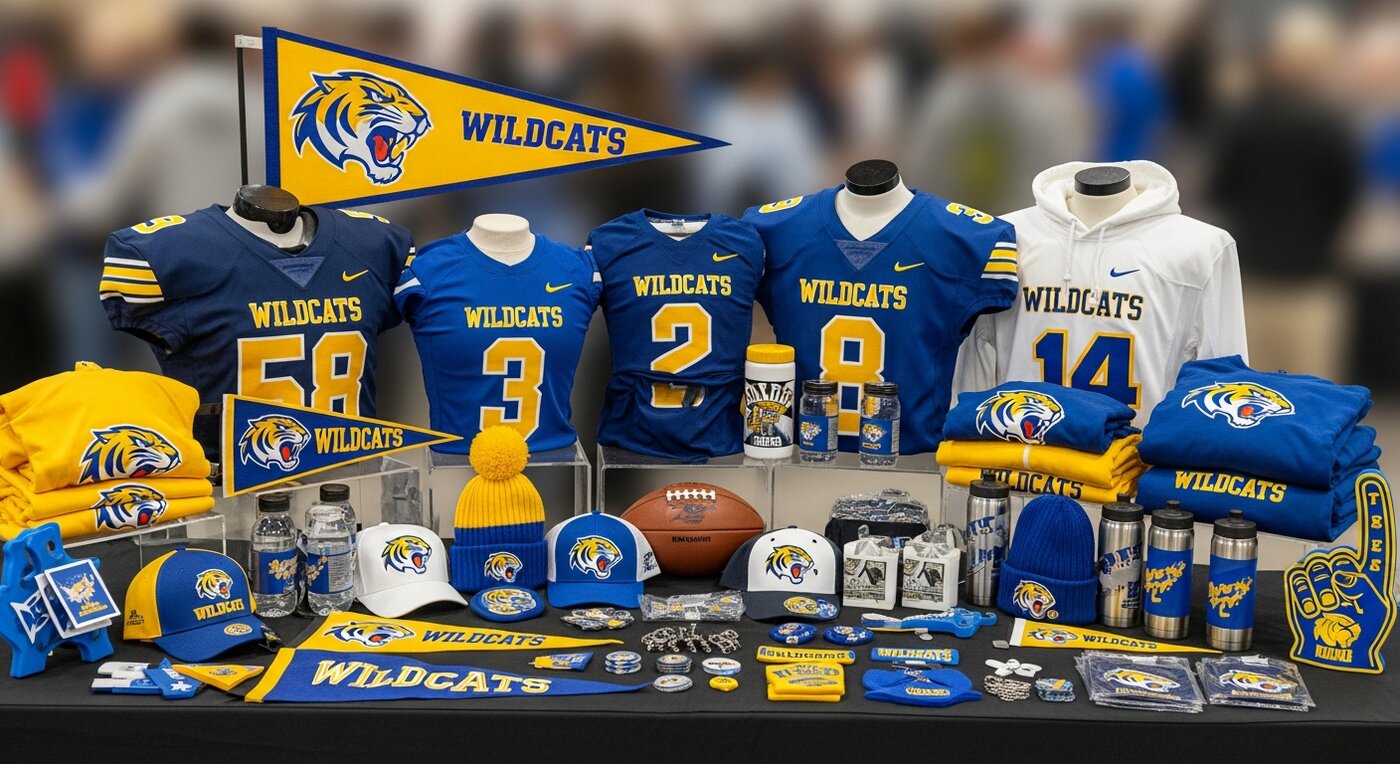
Team Merchandise Sales
Boosts school spirit while generating repeatable margin.
Tailgate or Community Event Nights
Combine ticket sales, concessions, and sponsor booths for big impact.
Text-to-Donate Workflows
Capture impulse gifts at events with simple SMS or QR codes.
These ideas can be paired by season and volunteer availability. Short-term, low-cost events can deliver quick wins, while larger campaigns need more planning but often yield higher returns.
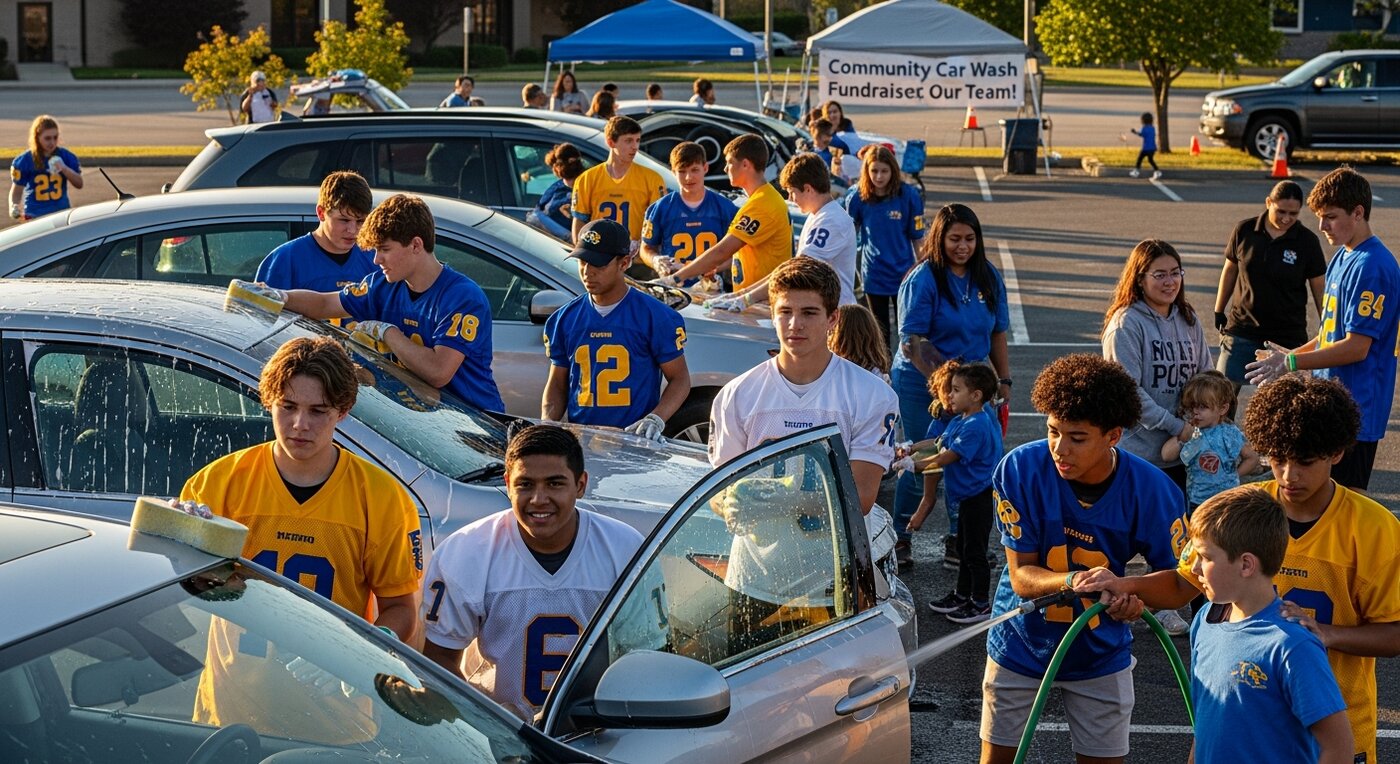
Which Event-Based Fundraisers Work Best for Football Teams?
Event fundraisers create in-person moments that turn supporters into donors and can be timed around big games and school activities. Top performers include car washes, skills clinics, tailgates, dine-out nights, and raffles.
Success depends on volunteer coordination, clear pricing, and visible sponsor recognition. For promotion, use school announcements, social posts, and local press to maximize attendance.
Mix ticket or service revenue with sponsorship opportunities.
Time events around big games for maximum community turnout.
Add concession sales for incremental revenue at every event.
How Can Product Sales Boost Football Fundraising?
Product sales turn team enthusiasm into predictable income when margins, inventory, and distribution are managed well. High-margin items—team-branded apparel, cookie dough, themed scratch-off cards—sell because families and alumni want to support and show spirit.
Set realistic price points, collect prepaid orders to avoid leftover stock, and assign volunteers to handle distribution quickly.
Use simple sales scripts for students at games and events.
Provide online order forms for alumni and extended family.
Review margins and reach after each sales run to improve next time.
Fundraiser Type Comparison
| Fundraiser Type | Typical Effort | Funds Raised Range | Timeframe |
|---|---|---|---|
| Car Wash Fundraiser | Moderate volunteer shifts and basic supplies | $500-$2,000 raised in a single weekend | 1-3 weeks prep |
| Raffle Fundraiser | Low day-to-day effort; needs prize sourcing | $1,000-$5,000 raised | 2-6 weeks depending on reach |
| Team Merchandise Sales | Moderate planning and inventory work | $800-$4,000 raised across a season | 2-4 week sales windows |
| Tailgate/Community Night | High event coordination and permits | $1,500-$8,000 raised from a single event | Depends on attendance |
How to Organize Successful Football Fundraisers
Start with clear goals, assigned roles, and a timeline that covers everything from permits to donor thank-yous. Set a target amount, a deadline, and KPIs like donor count or average gift.
Planning Phase Breakdown
| Planning Phase | Responsible Party | Time Estimate | Resources Needed |
|---|---|---|---|
| Goal Setting & Budget | Team Leadership / Booster Club | 1-2 days | Spreadsheet, fundraising target |
| Volunteer Recruitment | Volunteer Coordinator / PTA | 1-2 weeks | Sign-up forms, role descriptions |
| Promotion & Outreach | Communications Lead | 2-4 weeks pre-event | Social assets, email list |
| Permits & Logistics | Logistics Lead | 2-4 weeks pre-event | Site agreements, insurance |
| Day-of Execution | Event Leads & Volunteers | Event day | Supplies, schedules, cash management |
Step-by-Step Tips for Car Wash Fundraisers
Find a high-visibility location and get written permission from the property owner or school.
Gather hoses, buckets, soap, towels, cones, and (if allowed) pressure washers.
Offer tiered pricing (basic wash, wash + vacuum, premium package).
Run volunteers in 90-minute shifts to keep energy up.
Promote with school messages, local social groups, and signage at intersections.
How to Plan and Run a Football Raffle
Raffles raise strong per-donor funds when prizes are attractive and tickets are sold both online and in person.
Confirm local rules and required permits first.
Source prizes through sponsors or donations to keep costs down.
Offer tiered ticketing—single tickets, multi-ticket discounts, VIP bundles.
Share winner announcements and progress updates to build momentum.
How Can Booster Clubs Maximize Fundraising Success?
Booster clubs succeed when they professionalize sponsorship outreach, diversify income, and build donor stewardship programs that encourage repeat giving. Create sponsorship tiers with defined benefits so local businesses see value.
Local Business Sponsors
Restaurants, retailers, civic groups, and service businesses that benefit from exposure to families and fans
Tiered Sponsorship Packages
Bronze, Silver, Gold tiers with clear deliverables like social posts, banner placement, and program ads
Community Foundation Grants
Support gear or safety upgrades with matching requests to funder priorities
Subscription Giving Programs
Small monthly gifts from booster members that create dependable revenue
Financial Considerations and Fundraising Potential
| Fundraiser Type | Upfront Cost | Break-even Point | ROI Example |
|---|---|---|---|
| Car Wash | $150-$400 for supplies | 50-100 cars | Typical ROI 3x after one weekend |
| Raffle | $0-$500 if prizes donated | 200-500 tickets sold | ROI depends on prize value |
| Team Merchandise | $500-$2,000 inventory | 30-200 units sold | Higher margins on apparel |
| Tailgate Event | $300-$1,500 permits/supplies | A few hundred attendees | ROI varies with concessions |
Frequently Asked Questions
Which football team fundraisers work best for schools?
The most successful fundraisers align with the community's capacity, the season calendar, and volunteer bandwidth. Events like car washes, tailgates, and skills clinics build local energy and give sponsors visibility. Product sales like branded apparel tap repeat buyers and are easy to distribute through families.
Which event-based fundraisers work best for football teams?
Top performers include car washes, skills clinics, tailgates, dine-out nights with local restaurants, and raffles because they mix ticket or service revenue with sponsorship and concession opportunities. Success depends on volunteer coordination, clear pricing, and visible sponsor recognition.
How can product sales boost football fundraising?
Product sales turn team enthusiasm into predictable income when margins, inventory, and distribution are managed well. High-margin items—team-branded apparel, cookie dough, themed scratch-off cards—sell because families and alumni want to support and show spirit.
Which online fundraising methods work best in 2025?
Online fundraising focuses on easy text-to-donate and subscription giving that converts one-time supporters into repeat donors. Text-to-donate makes giving quick at games and events. Recurring programs—sponsor-a-player or monthly booster gifts—stabilize cash flow across a season.
How can booster clubs maximize fundraising success?
Booster clubs succeed when they professionalize sponsorship outreach, diversify income, and build donor stewardship programs that encourage repeat giving. Create sponsorship tiers with defined benefits so local businesses see value.
What are the financial considerations and fundraising potential?
Compare fundraisers by upfront cost, time investment, and likely ROI to prioritize tactics that match the team's capacity. Low-cost, high-effort options like car washes deliver quick cash but need many volunteers; higher-upfront activities can earn more if marketing and inventory are managed well.
Ready to Start a Football Fundraiser?
With the right plan and community support, the football team can raise the funds needed for helmets, pads, travel, coaching, and safe fields. Use a simple scoring rubric to rank ideas by volunteer hours, upfront cost, and revenue potential—then prioritize what matches the available capacity.