Lacrosse programs face steadily rising costs for equipment, travel, coaching, and field access, so volunteer leaders need straightforward, practical plans to close funding gaps. This guide covers which methods typically deliver the best margins for youth and school lacrosse, how to build a timeline, and what to expect in terms of fundraising potential and volunteer effort.
What Are the Best Lacrosse Fundraising Ideas for Teams?
The best lacrosse fundraisers balance fundraising potential, volunteer effort, and appeal to parents, alumni, and local supporters. These ideas work well across youth and school programs.
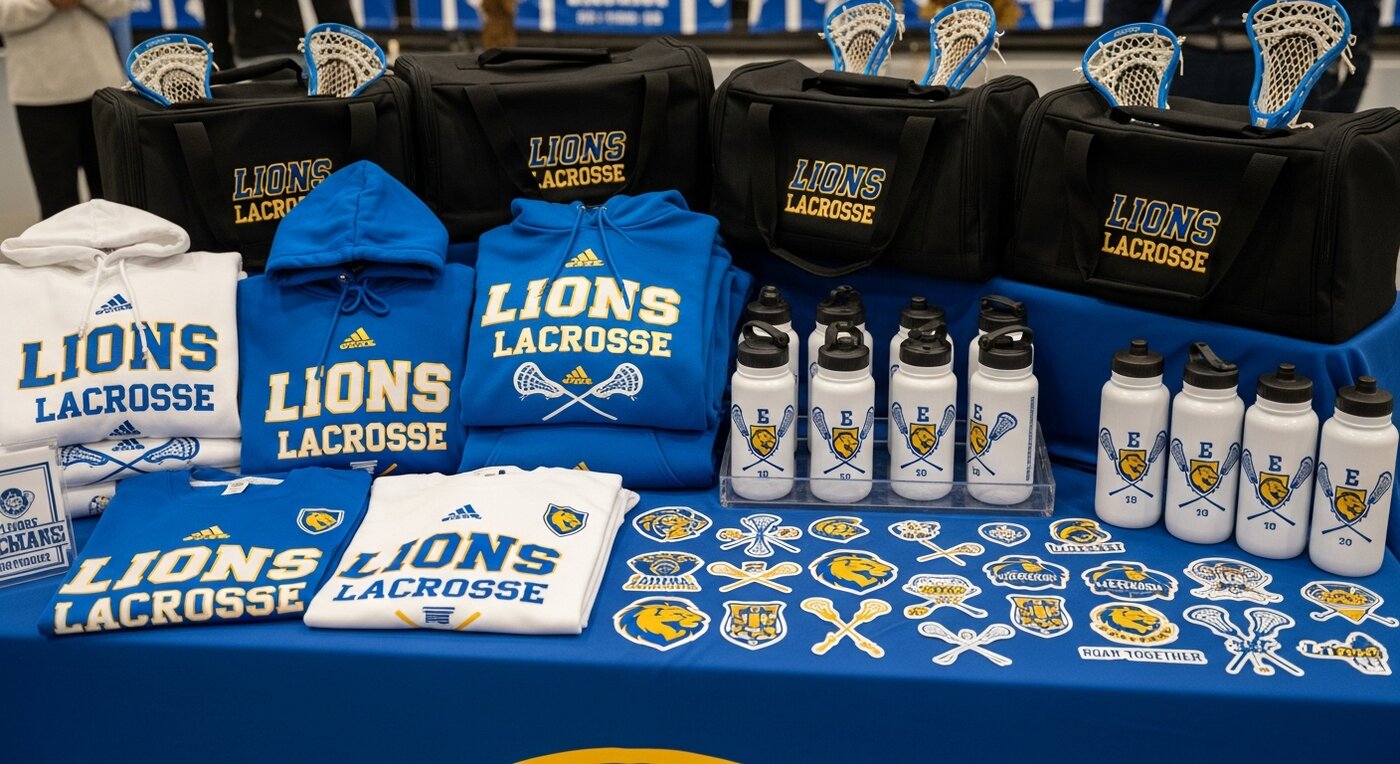
Product Sales (Cookie Dough, Pasta, Merchandise)
Steady margins and easy family participation.
Tournament or Skills Clinic
Registration fees plus local sponsorships while putting players on display.
Team Merchandise and Apparel Store
Recurring revenue through pre-orders and seasonal drops.
Local Business Nights and Restaurant Partnerships
Low-effort, community-driven income.
Online Auctions and Raffle Bundles
Monetize high-value items and engage donors.
Car Wash or Community Service Events
Low-cost, visible activities ideal for younger squads.
Combine these tactics: use product sales for reliable income and events or online campaigns to boost community momentum and raise larger, one-time sums.

How Can Event-Based Fundraisers Boost Lacrosse Team Funds?
Events can bring in substantial single-event revenue while strengthening community ties and sponsor relationships that last. Popular lacrosse events include skills clinics, tournaments, alumni scrimmages, and dinner or auction nights.
Each generates money through registration fees, ticket sales, concessions, and sponsor packages. Successful events start with a clear budget, a volunteer role matrix, a marketing plan, and a contingency plan.
Pick a date and venue, set registration and ticket prices.
Recruit volunteers and sponsors, prepare marketing materials.
Create sponsorship inventory—banner space, program ads, and named awards.
Which Product Sales Generate the Highest Revenue?
Product sales are a reliable revenue source because families can participate directly and many vendors handle fulfillment. High-margin categories include branded team apparel, seasonal consumables like cookie dough or pasta, and bundled packages.
A winning product campaign sets a clear order window, promotes online ordering to reach more supporters, and offers add-ons to increase per-order revenue.
Confirm margin and check fulfillment timelines.
Review samples and test customer support.
Layer event-based fundraisers to complement product sales.
Fundraising Method Comparison
| Fundraising Method | Fundraising Potential | Effort / Timeline |
|---|---|---|
| Product Sales (merchandise, food) | Medium-High | Moderate effort, 2-6 weeks order cycle |
| Tournament / Clinic | High | High effort, 4-12 weeks planning |
| Online Auction / Raffle | High | Moderate effort, 3-6 weeks setup |
| Local Business Nights | Low-Medium | Low effort, 1-4 weeks coordination |
Use this comparison to mix short-term, low-effort tactics with higher-return events and reach season goals.
How to Plan a Successful Lacrosse Fundraiser
Planning a successful fundraiser starts with clear goals, a realistic budget, named roles, and a timeline with milestones. First, decide what the team needs to fund—equipment, travel, coaching stipends, or field time—and turn that into a dollar target.
Create a budget that lists estimated costs and revenue sources, assigns responsibility to volunteers, and includes a contingency for surprises. This framework aligns expectations and makes it easy to track progress.
Set realistic fundraising goals by aligning team needs with achievable targets and breaking totals down into per-family or per-donor asks. Add a 10-15% contingency.
How Can Parents and Volunteers Be Effectively Engaged?
Volunteer engagement works when roles are specific, time commitments are reasonable, and contributions are recognized. Provide clear role descriptions with expected hours and deliverables.
Campaign Lead
Oversees overall fundraising strategy and timeline
Volunteer Coordinator
Recruits, trains, and schedules volunteers
Treasurer
Manages payments, tracks donations, handles reporting
Communications Lead
Handles email, social media, and marketing materials
Offer training and templates (email scripts, social posts, volunteer checklists) to lower the barrier to participation.
What Are the Funding Needs Specific to Lacrosse Teams?
This budget template helps ensure each expense has an owner and a funding plan, reducing last-minute shortfalls and making reporting to families and sponsors straightforward.
Typical Team Budget
| Budget Line Item | Estimated Cost | Frequency / Responsible |
|---|---|---|
| Team equipment (sticks, pads) | $1,200-$6,000 | Season / Equipment lead |
| Uniforms and apparel | $800-$3,000 | Every season / Apparel lead |
| Travel (buses, hotels) | $500-$3,000 per trip | Per trip / Travel coordinator |
| Tournament fees | $200-$1,000 | Per event / Coach or lead |
| Marketing and materials | $100-$600 | Campaign / Communications lead |
How Can Lacrosse Teams Secure Sponsorships and Matching Gifts?
Sponsorships and matching gifts unlock meaningful revenue by leveraging local businesses and employer matching programs. Sponsorship packages should spell out benefits tiered by investment to offer options for small and larger partners.
Sponsorship Tier Model
| Tier | Benefits | Investment |
|---|---|---|
| Bronze | Logo on program, social media mention | $100-$250 |
| Silver | Banner at games, newsletter feature, program recognition | $250-$500 |
| Gold | Premium signage, event naming rights, vendor space | $500+ |
Matching Gift Programs
Matching gift programs let eligible donors request employer matches, effectively multiplying individual donations. Include clear instructions in donation confirmations. Estimate uplift conservatively (10-30%) when forecasting goals.
Local Business Outreach
Start by mapping businesses whose customers overlap with the team's audience—sporting goods stores, family restaurants, and local services—and create tailored sponsor packages that match business goals.
Frequently Asked Questions
What are the best lacrosse fundraising ideas for teams?
The best lacrosse fundraisers balance fundraising potential, volunteer effort, and appeal to parents, alumni, and local supporters. Product sales, events, and digital campaigns each fill different needs: product sales are predictable, events build local engagement and sponsorships, and online drives scale reach.
Which product sales generate the highest revenue for lacrosse fundraisers?
High-margin categories include branded team apparel, seasonal consumables like cookie dough or pasta, and bundled packages that raise average order value. A winning product campaign sets a clear order window, promotes online ordering to reach more supporters, and offers add-ons to increase per-order revenue.
How can event-based fundraisers boost lacrosse team funds?
Events can bring in substantial single-event revenue while strengthening community ties and sponsor relationships. Popular lacrosse events include skills clinics, tournaments, alumni scrimmages, and dinner or auction nights—each generates money through registration fees, ticket sales, concessions, and sponsor packages.
How to plan and organize a successful lacrosse fundraiser?
Planning starts with clear goals, a realistic budget, named roles, and a timeline with milestones. First, decide what the team needs to fund—equipment, travel, coaching stipends, or field time—and turn that into a dollar target. Create a budget that lists estimated costs and revenue sources.
How can lacrosse teams secure sponsorships and matching gifts?
Sponsorships and matching gifts unlock meaningful revenue by leveraging local businesses and employer matching programs. Sponsorship packages should spell out benefits—logo placement, program recognition, social shout-outs, and vendor space—tiered by investment to offer options for small and larger partners.
How do matching gift programs increase lacrosse fundraiser revenue?
Matching gift programs let eligible donors request employer matches, effectively multiplying individual donations. Include clear instructions in donation confirmations that show donors how to search their employer's matching portal and submit forms. Estimate uplift conservatively (10-30%) when forecasting goals.