Weightlifting fundraisers turn athletes' performance into pledges or fixed donations—an engaging, measurable way for schools and youth teams to raise money. This guide walks parents, coaches, and PTA organizers through how lift-a-thons, bench-press drives, squat-a-thons, and deadlift challenges work.
What Is a Lift-A-Thon Fundraiser and How Does It Work?
A lift-a-thon is a sponsored weightlifting event where participants perform specific lifts while donors pledge per repetition, per pound, or give flat sponsorships—converting athletic effort into predictable fundraising.
Pledge-Per-Rep
Donors pledge a small amount for each completed repetition—best for high-volume, inclusive events.
Pledge-Per-Pound (Max-Lift)
Donors pledge against a participant's personal best—appropriate for older youth divisions.
Flat Sponsorships
Businesses or alumni donate fixed amounts in exchange for recognition or sponsor benefits.
Each model shapes the event flow and informs the safety rules needed for participants.
Pledge Model Comparison
Use this table to pick a pledge model that matches the team's goals and participant mix.
Pledge Model by Participant Type
| Participant Type | Pledge Model | Typical Range |
|---|---|---|
| Youth Teams (under 14) | Pledge-per-rep (bodyweight-scaled) | $0.10-$0.75 per rep |
| High-School Lifters | Pledge-per-pound (max-lift) | $0.50-$3.00 per pound |
| Community/Alumni | Flat sponsorships or corporate tiers | $100-$2,500 per sponsor |
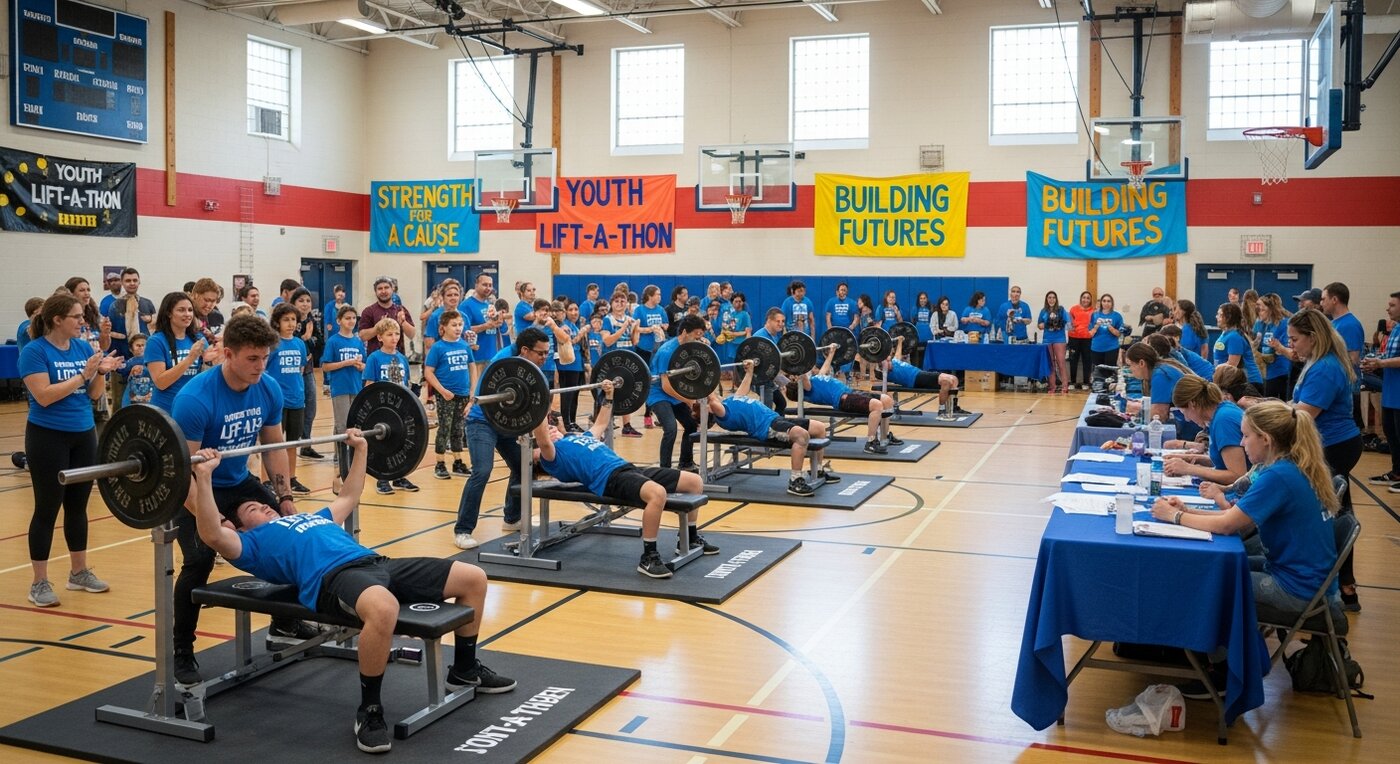
How Do Lift-A-Thons Benefit Schools and Youth Teams?
Lift-a-thons raise direct funds for equipment, travel, coaching stipends, and scholarships while offering a hands-on community experience that builds team morale.
Small per-rep pledges across many participants can scale quickly; non-financial benefits include leadership experience for student organizers and tangible proof of impact.
Schools direct proceeds toward squat racks, bumper plates, turf, or competition travel.
Boost community visibility and open doors to long-term donor relationships.
Show donors a clear link between performance and specific equipment outcomes.
How to Organize a Successful Lift-A-Thon
A dependable lift-a-thon starts with clear goals, defined roles, logistics planning, safety protocols, pledge-tracking, and a communications plan.
Goals & Committee
Decide goals and pledge model eight weeks out, and form a planning committee.
Venue & Equipment
Reserve venue and equipment six weeks out, confirm insurance/permissions, and recruit spotters.
Promotion
Launch promotion four weeks out, open pledge forms, and run an orientation for participants and donors.
Finalize
Finalize schedules and tracking templates one week out, and confirm volunteer assignments.
What Are Creative Weightlifting Fundraiser Ideas?
Creative formats let teams match the fundraiser to team size, budget, and safety needs while maximizing donor interest.
Bench Press
Bench press format with age-divided weight standards and per-rep pledges.
Squat-A-Thon
Squat-a-thon using scaled loads, capped reps, and team totals for sponsorship.
Deadlift Challenge
Deadlift challenge with certified judging, tiered sponsor prizes, and alumni match opportunities.
How Can Schools Fundraise for Gym Equipment?
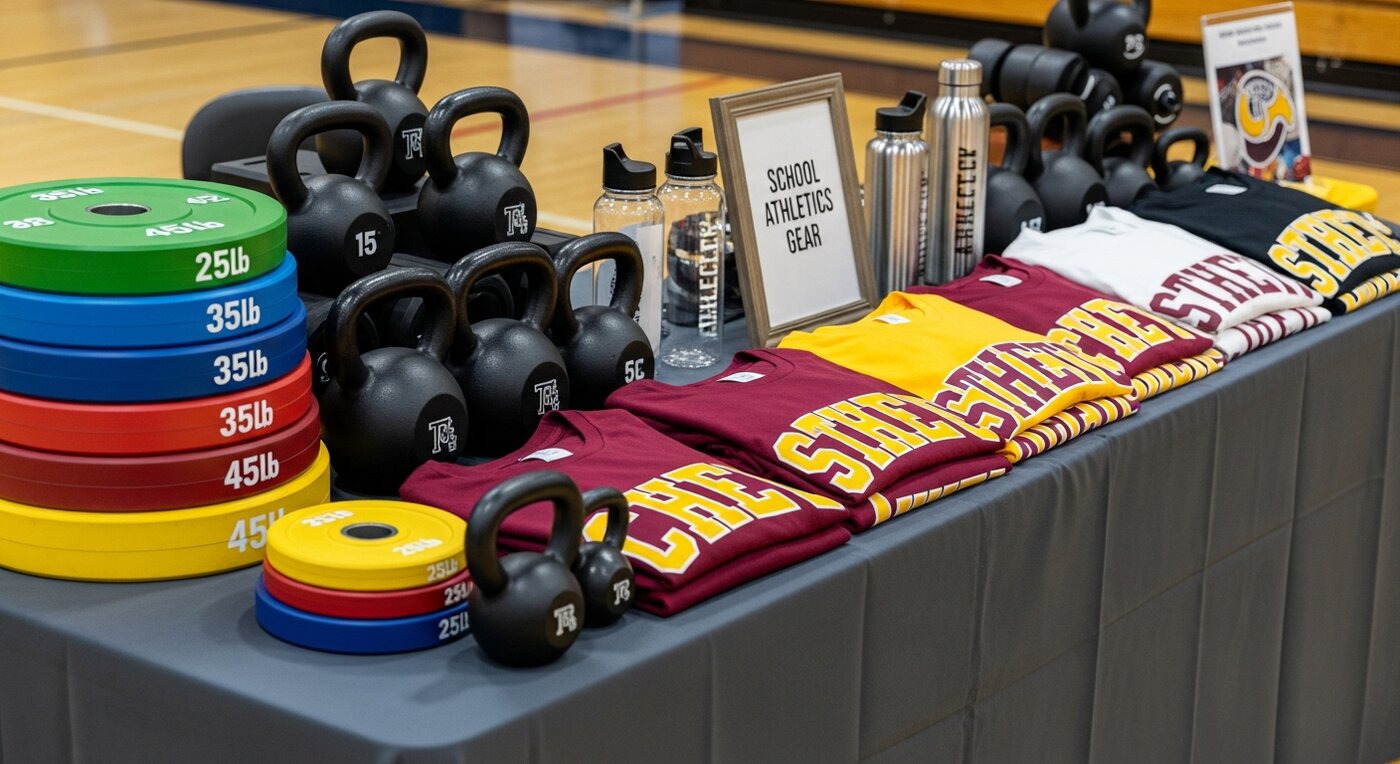
Funding equipment usually requires a mix of tactics: lift-a-thons for immediate revenue, targeted grants for larger purchases, corporate sponsorships for steady contributions, and donor campaigns for smaller gifts.
Funding Source Comparison
| Funding Source | Amount Range | Application Tip |
|---|---|---|
| Grants (Local/State) | $1,000-$50,000 | Emphasize safety and community impact in needs statement |
| Corporate Sponsorships | $500-$10,000+ | Offer visible recognition and in-school activations |
| Community Drives & Alumni | $100-$5,000 | Use targeted storytelling about specific equipment needs |
Safety Protocols for Youth Weightlifting Events
Sample rules standardize results and protect athletes. These safeguards reduce injury risk and make pledge verification straightforward.
Required Documentation
Require signed parental consent and coach approval for all participants.
Equipment Standards
Use calibrated plates and certified racks, set age/division weight guidelines.
Spotting & Supervision
Recruit certified supervisors and create waivers with required signatures.
Rest & Limits
Limit reps per set with rest windows to ensure participant safety.
Frequently Asked Questions
What is a lift-a-thon fundraiser and how does it work?
A lift-a-thon is a sponsored weightlifting event where participants perform specific lifts while donors pledge per repetition, per pound, or give flat sponsorships—converting athletic effort into predictable fundraising.
What are the key weightlifting challenges in a lift-a-thon?
Common challenge formats include bench press, squat-a-thon, deadlift contests, team relays, and max-lift showcases—each with different scoring and safety needs.
How do lift-a-thons benefit schools and youth sports teams?
Lift-a-thons raise direct funds for equipment, travel, coaching stipends, and scholarships while offering a hands-on community experience that builds team morale.
How to organize a successful lift-a-thon fundraiser?
A dependable lift-a-thon starts with clear goals, defined roles, logistics planning, safety protocols, pledge-tracking, and a communications plan to drive participation and donations.
How can schools fundraise for gym equipment and weight room upgrades?
Funding equipment usually requires a mix of tactics: lift-a-thons for immediate revenue, targeted grants for larger purchases, corporate sponsorships for steady contributions, and donor campaigns.
What are the best strategies for assessing and meeting equipment needs?
Assess needs by auditing current inventory, consulting coaches and PE staff, and ranking purchases with a simple priority matrix (safety, frequency, cost). Phased buying lowers upfront costs.