Wrestling fundraising covers events, product sales, digital campaigns, and sponsor partnerships that help youth and high school teams pay for travel, equipment, uniforms, and tournament fees. This guide walks coaches, booster clubs, parents, and athletic directors through planning, running, and evaluating fundraisers.
What Are the Best Fundraisers for Wrestling Teams?
Fundraisers differ widely in effort and reward. The table below helps teams compare common options so they can prioritize based on capacity and goals.
Fundraiser Comparison
| Fundraiser | Effort | Typical Funds Raised | Team Size | Logistics |
|---|---|---|---|---|
| Wrestle-A-Thon | Medium-High | High ($1,500-$6,000) | Medium to Large | High (venue, permits) |
| Cookie Dough / Food Sales | Low-Medium | High (40-60%) | Small to Large | Low (ordering, pickup) |
| Spaghetti Dinner | Medium | Medium ($800-$3,000) | Small to Medium | Medium (food prep, staffing) |
| Merchandise Sales | Low-Medium | Medium-High | Small to Large | Medium (design, fulfillment) |
Events usually demand more coordination but can deliver larger lump sums, while product sales are easier to repeat and scale with individual sellers.
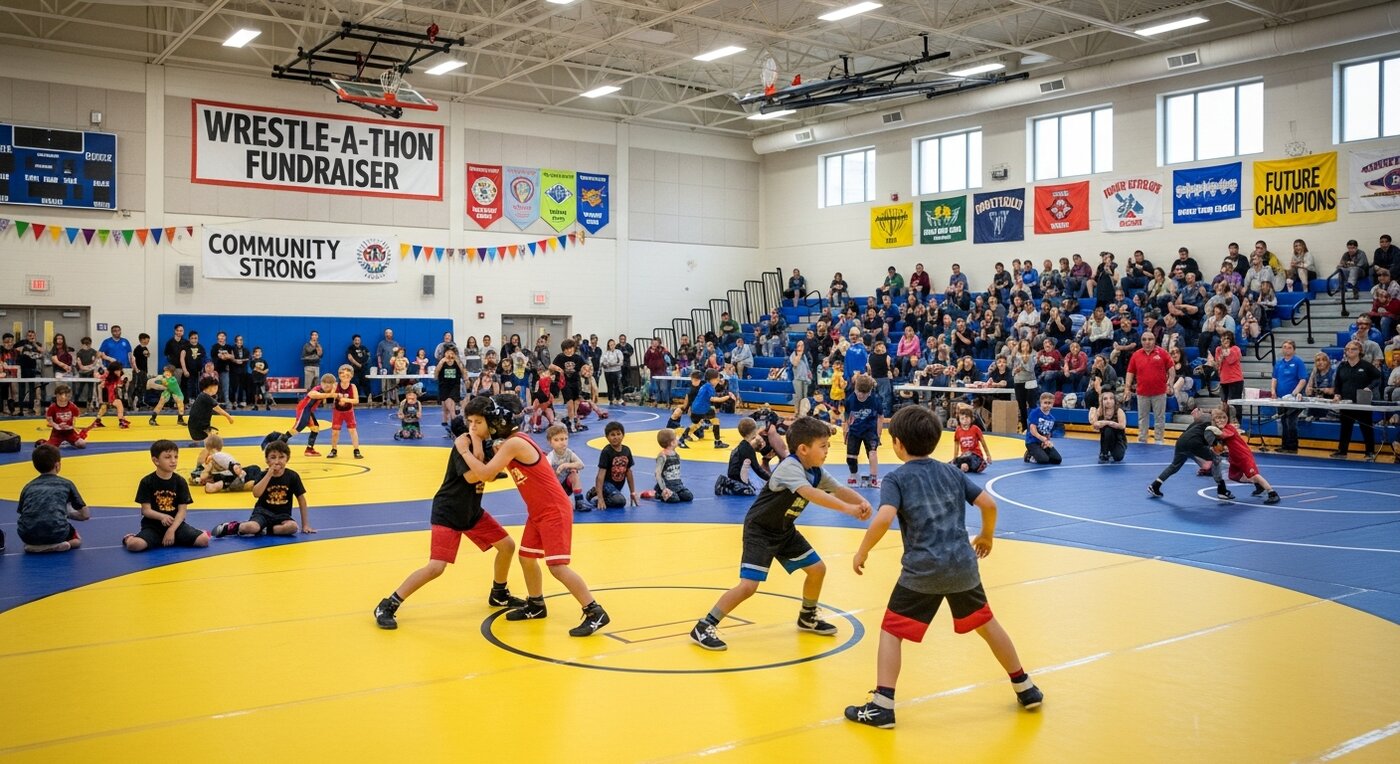
How to Plan and Run a Successful Wrestle-A-Thon
A winning wrestle-a-thon combines a clear financial target, a realistic timeline, defined volunteer roles, and an easy pledge system so participation turns into donations.
Offer tiered prizes for top individual and team fundraisers.
Show live leaderboards and encourage social sharing to extend reach.
Add concessions, raffles, and merchandise booths to increase per-visitor revenue.
Provide multiple payment options, including online pledges and cash/card processing.
Step-by-Step Actions to Organize a Wrestle-A-Thon
Follow a concise timeline with responsibilities assigned to reduce last-minute risks and keep operations smooth.
Set Goal & Date
Set the financial goal, pick the date, and confirm the venue and permissions.
Create Forms
Create pledge forms, participant registration, and safety procedures.
Recruit Volunteers
Recruit volunteers and sponsors with clear role descriptions.
Promote Early
Promote early through email, social posts, and community flyers.
Run Event
Run event logistics: check-in, scoring, concessions, and donation collection.
Follow Up
Follow up with donor thank-yous and an event summary report.
Resource Checklist
Use this checklist to estimate quantities, timing, and costs to assign budget and responsibilities with confidence.
Event Resources
| Resource | Needed For | Quantity / Timing / Cost |
|---|---|---|
| Volunteers | Registration, scoring, concessions | 8-20 people; recruit 4-6 weeks ahead; volunteer training 1 week prior |
| Venue Rental | Event space and mats | 1 day; reserve 6-12 weeks ahead; cost varies by facility ($0-$500) |
| Pledge Forms / Online Platform | Donation collection | Printed forms per participant; online page set up 2-4 weeks prior |
| Concessions Supplies | Food & beverage sales | Inventory based on attendance; pre-order 1 week ahead; estimated $200-$800 |
What Product-Based Fundraisers Generate High Revenue?
Product fundraisers depend on margin control, smooth fulfillment, and sales channels that reach family networks and alumni.
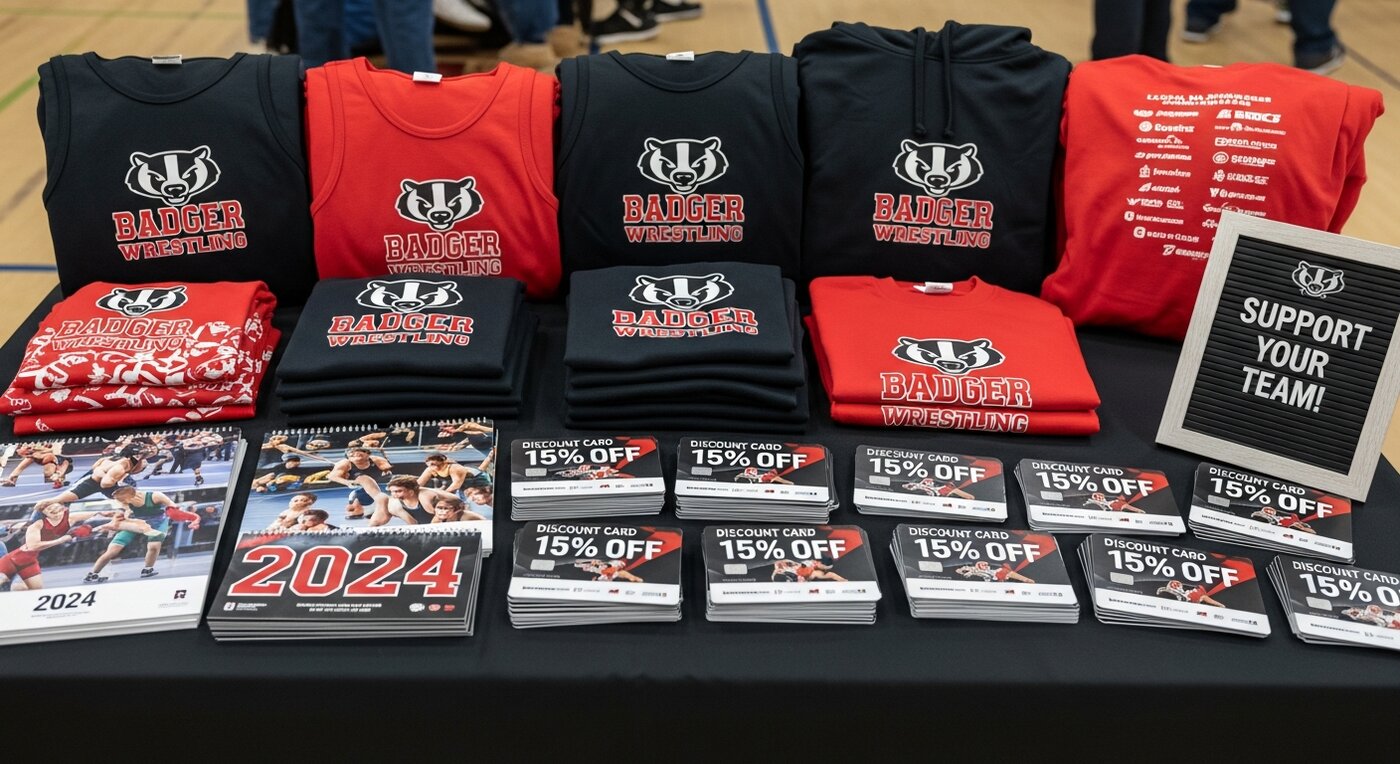
High-margin choices include branded apparel and custom calendars—items people keep and buy again—especially when bundled at events.
Low-logistics products like cookie dough and candy offer predictable revenue.
Running an online store widens reach and simplifies fulfillment.
Discount cards are easy to sell door-to-door or online.
How Can Teams Attract and Manage Sponsorships?
Digital and sponsorship tactics extend traditional fundraisers by widening reach and simplifying sponsor fulfillment—key parts of modern campaigns.
Define Levels
Define sponsorship levels with concrete benefits and pricing.
Target Businesses
Target local businesses with tailored proposals and clear ROI.
Deliver & Report
Deliver agreed benefits during the season and provide a post-season report.
How Can Booster Clubs Support Wrestling Fundraising?
Booster clubs bring governance, volunteer coordination, and recurring revenue channels that stabilize team budgets year to year.
Steps to Start a Booster Club
Recruit leadership and document roles in writing.
Align operations with school policies and financial oversight.
Create an annual fundraising calendar and volunteer onboarding plan.
Concession Stands
Concession stands at events for steady per-game revenue.
Merchandise Subscriptions
Merchandise subscriptions or pre-ordered seasonal apparel.
Recurring Donor Programs
Recurring donor programs and alumni membership plans.
Frequently Asked Questions
What are the best fundraisers for wrestling teams and clubs?
Teams do best when they pick fundraisers that fit their capacity, calendar, and goals. Events drive community engagement and often bring large one-day totals; product sales give predictable margins and repeatable income.
Which event-based fundraisers work best for wrestling teams?
A wrestle-a-thon can use pledges per pin or per minute and multiply income with concessions and raffles. Clinics and mini-tournaments raise money while recruiting new wrestlers. Community meals like spaghetti dinners are low-barrier entry points.
What product-based fundraisers generate high returns?
High-margin choices include branded apparel and custom calendars—items people keep and buy again. Low-logistics products like cookie dough, candy, and discount cards offer predictable returns and are easy to sell door-to-door or online.
How to plan and run a successful Wrestle-A-Thon?
Start by setting the fundraising goal and participant target, then secure a venue, insurance, and any school approvals. Assign named leads for registration, scorekeeping, concessions, promotion, and cleanup.
How can teams attract and manage local business sponsorships?
Define sponsorship tiers that match exposure with contribution levels, then target businesses whose customers overlap with the team's supporters. Offer benefits like logo placement, social mentions, and banners.
How can booster clubs support wrestling fundraising efforts?
Booster clubs bring governance, volunteer coordination, and recurring revenue channels that stabilize team budgets year to year. A healthy booster club names key roles, sets a meeting rhythm, and puts basic financial controls in place.